2002 Solar Hardware
Two 165-Watt Panels
Legacy PV Proof
Old solar that still tells the story
2002 Mitsubishi Panels Legacy
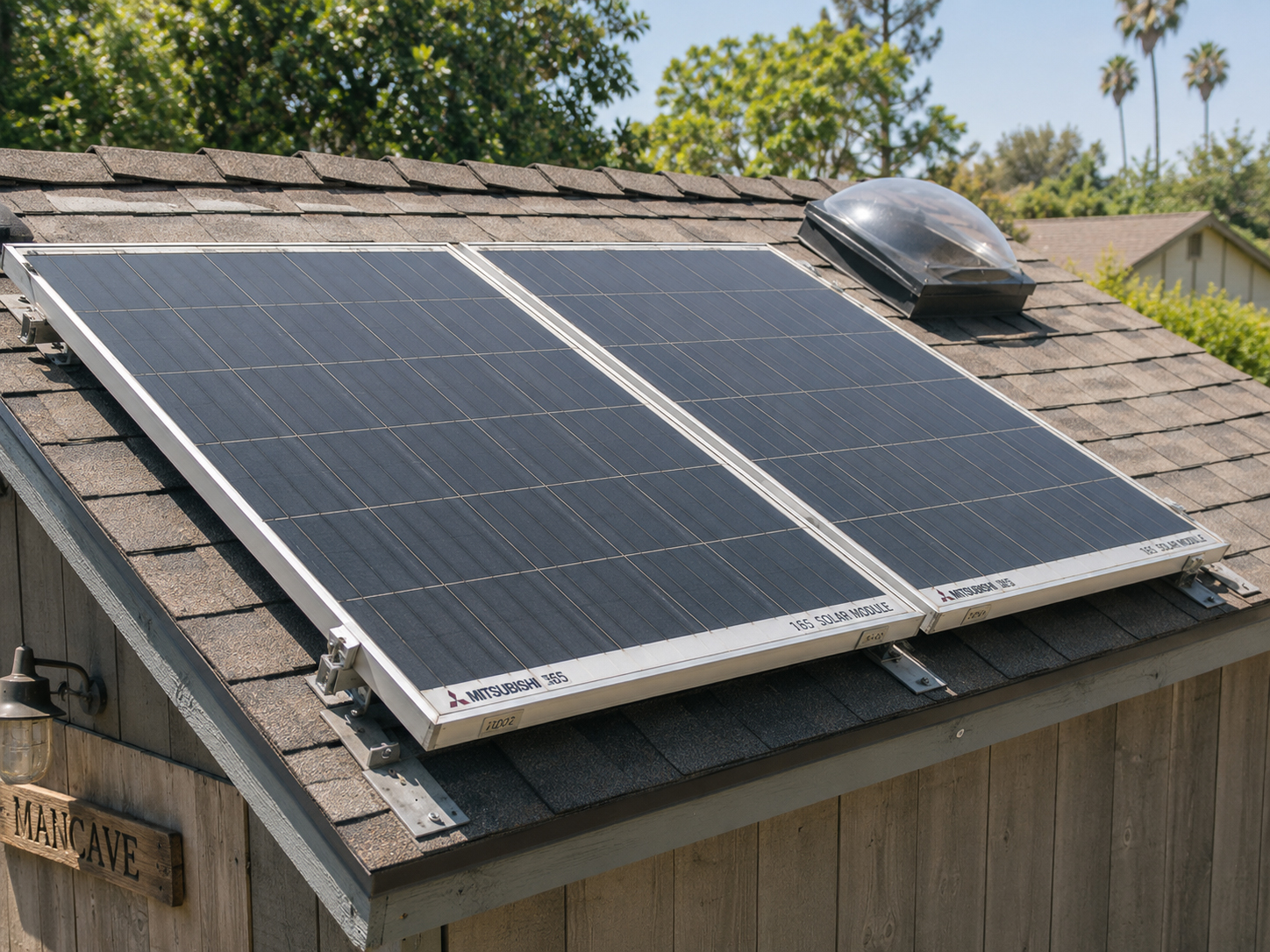
The Solar Man Cave roof carried two 165-watt Mitsubishi solar panels from 2002. They were modest by today’s wattage standards, but they told a bigger story: solar equipment can last, teach, and keep producing value long after the sales pitch is forgotten.
The roof became the power plant
Two panels, one small shed, and a long lesson.
The original Solar Man Cave used two 165-watt Mitsubishi solar panels from 2002. In modern solar terms, 330 watts of total PV capacity sounds small. But that is exactly why the story matters. This was not a giant commercial array. It was a small, visible, understandable solar experiment.
The panels sat on the roof of an 8' x 10' shed and charged a battery bank connected to an older 2000-watt inverter. That simple combination turned the shed into a working ABC Solar research and development space.
Why legacy panels matter.
Solar has a problem in public perception: people often think of it as new, fragile, or experimental. The Solar Man Cave panels answer that with quiet evidence. Panels installed years ago can keep teaching the same lesson over and over: sunlight is steady, equipment durability matters, and long service life is part of the real economics of solar.
The beauty of old panels is not that they beat modern modules. They do not. Modern panels are bigger, more powerful, and more efficient. The beauty is that older equipment still working in a real system proves the practical nature of solar.
The lesson
Solar is not only about the newest panel spec. Solar is about useful energy over time. A panel that keeps working becomes a witness.
Small wattage made the system honest.
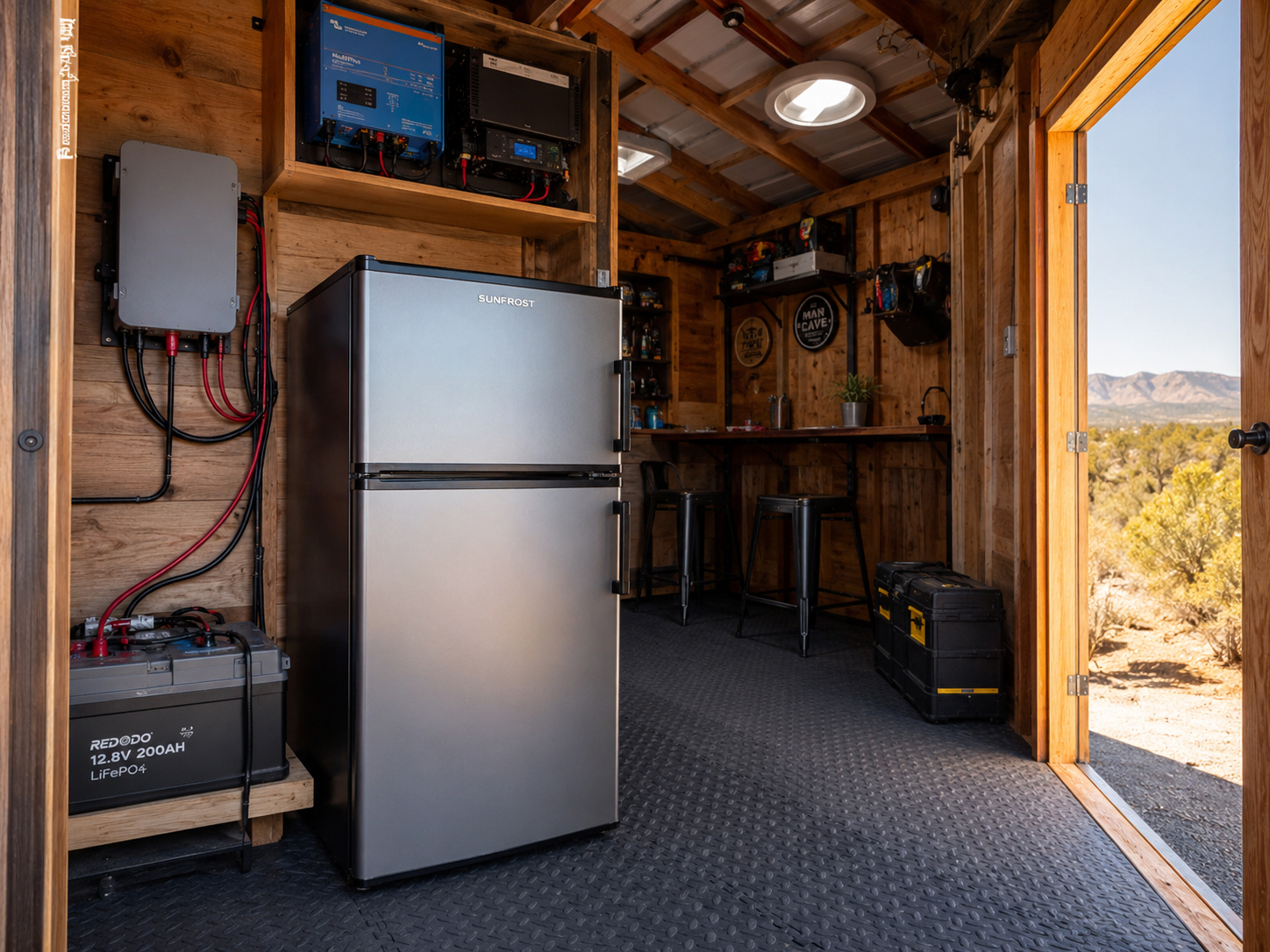
With only two 165-watt modules, the Solar Man Cave could not hide behind oversized production. Every load mattered. The refrigerator, battery bank, inverter, lighting, pumps, and controls had to be understood as part of a real energy budget.
That made the shed a better classroom. When the system is small, the relationship between sunlight, storage, and loads becomes visible.
- The panels produced the energy.
- The battery bank stored the energy.
- The inverter made the energy usable for AC loads.
- DC equipment showed another path for efficiency.
- Every load forced a design decision.
The panels gave the cave its credibility.
The modern Solar Man Cave manga jokes about recliners, mini-fridges, games, Madame Kilowatt, and SCE rate tantrums. But the credibility comes from the real roof. The comedy is tied to hardware that existed, produced power, and supported experiments.
That is the right way to build the new SolarManCave.com. The manga layer makes the site memorable, but the 2002 Mitsubishi panels make it grounded.
The joke is the recliner. The proof is the roof.
From panel output to protected loads.
These legacy panels also help explain why load selection matters. A solar/battery system is not designed by wishful thinking. It is designed by deciding what needs to stay on, how much energy those loads use, and how long the backup must last.
In the original shed, that meant understanding refrigeration, batteries, lighting, controls, pumps, and thermal support. In the manga version, it becomes easier to explain: the TV, Wi-Fi, mini-fridge, game console, garage tools, home theater, and battery wall.
Solar Man Cave translation
Technical version: match PV, storage, inverter, and loads.
Man cave version: decide what gets to stay alive when the grid goes dark.
A legacy worth showing.
The 2002 Mitsubishi panels deserve their own page because they are more than a piece of equipment. They are part of ABC Solar’s living archive. They represent experimentation, persistence, and the willingness to test solar ideas in the real world.
That is the spirit of Solar Man Cave: build it small, wire it carefully, learn from it, and turn the lesson into something people can understand.
Continue the system story
The panels were only the beginning.
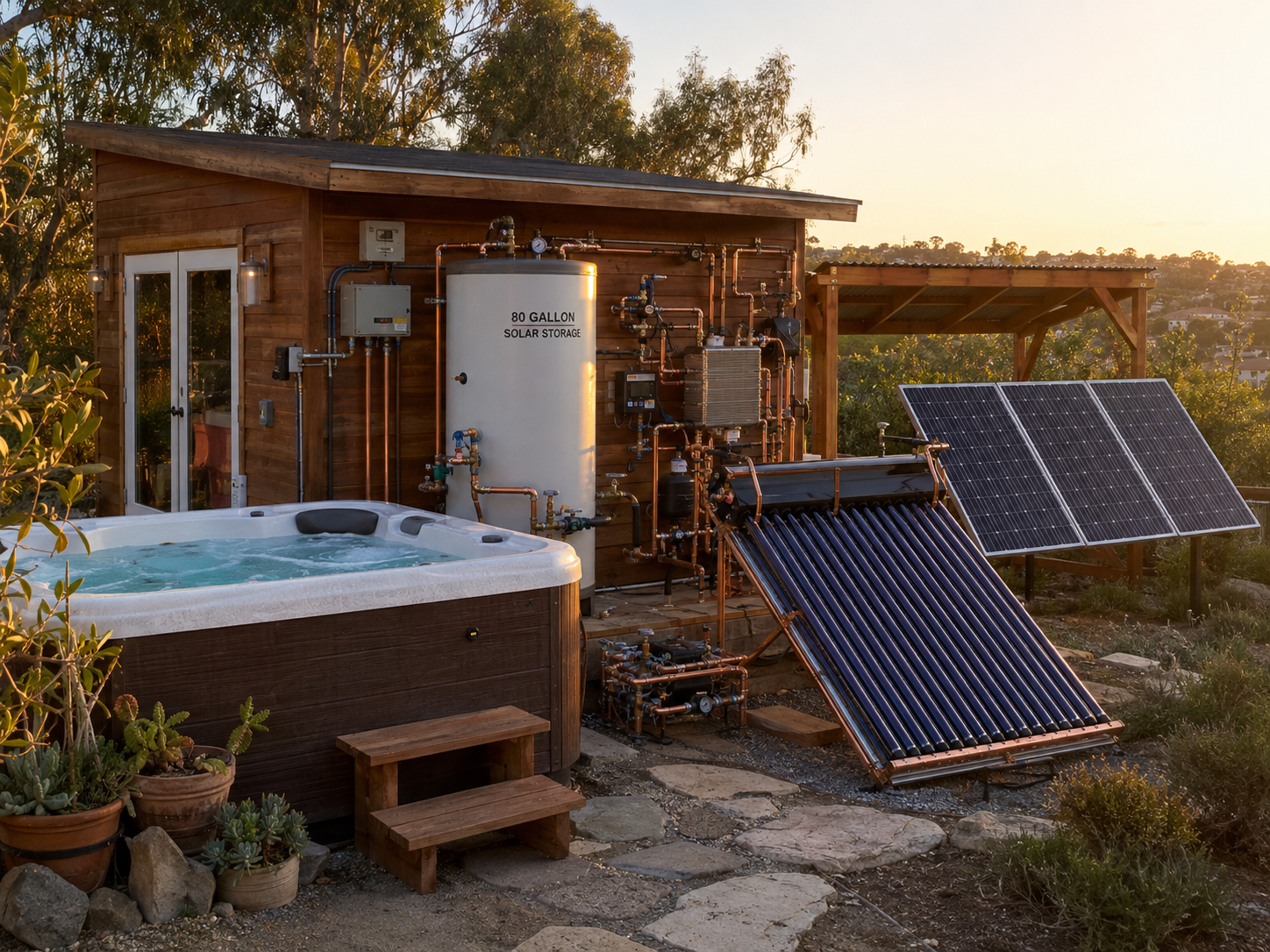
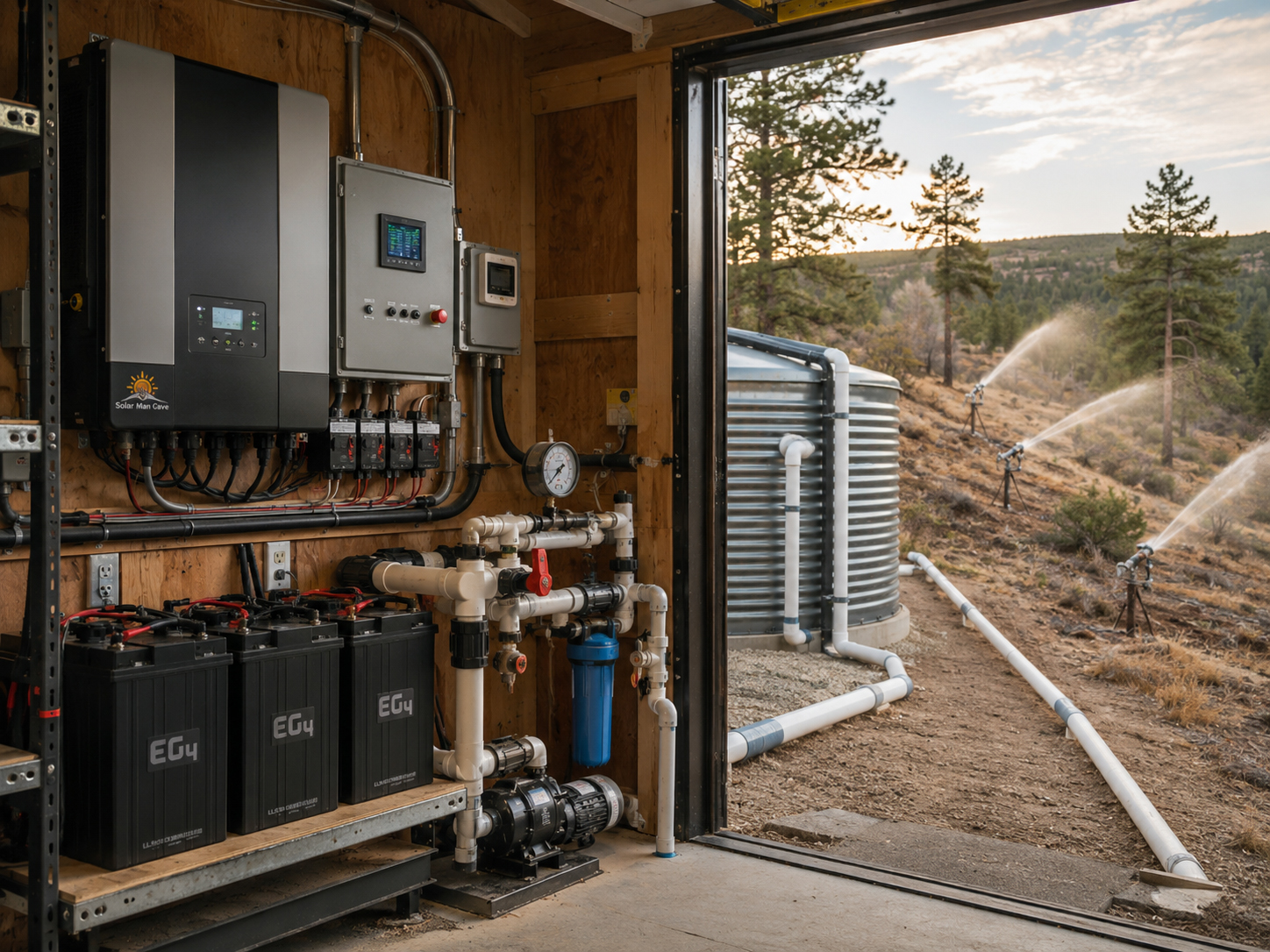
The Solar Man Cave story continues with batteries, DC refrigeration, solar thermal, and off-grid fire protection.